How long should you brew loose-leaf tea?
Three to five minutes for most black tea, less for almost everything else. Five dials and how to use them.
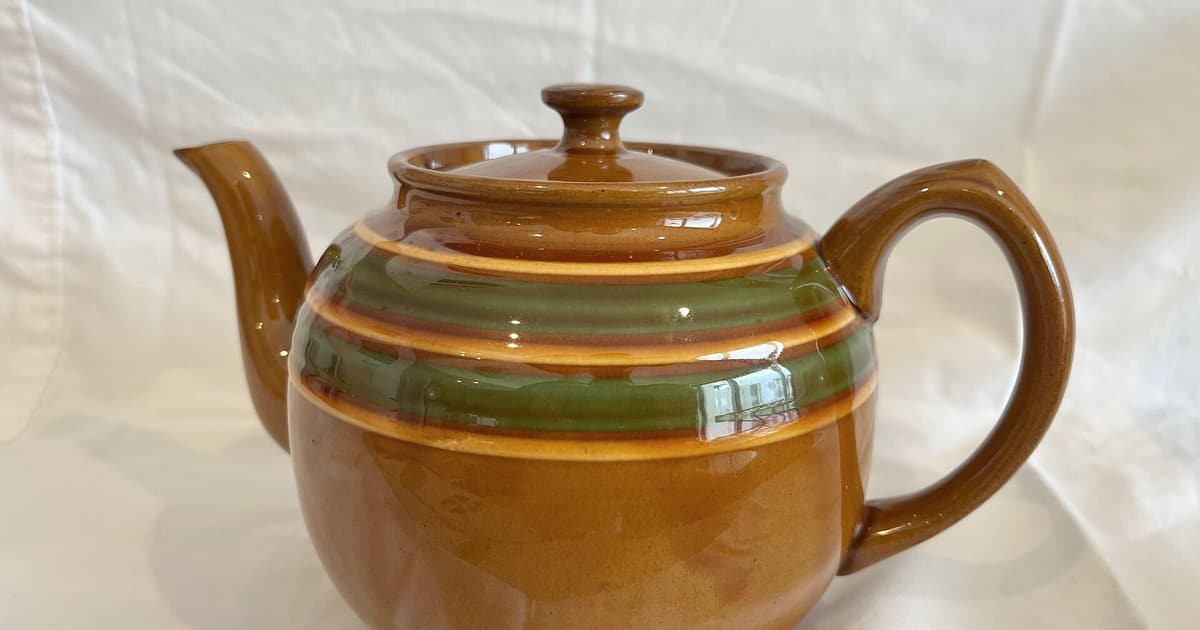
Brew most loose black tea for three to five minutes, and green, white or oolong for two to three. Those are starting points, and the UK Tea and Infusions Association suggests three to four minutes for black tea, so the shorter end is a sensible first try. After that, your own mouth is the better guide.
Here are the figures we start from. They come from the table in Whittard's published brewing guide, one of the clearest we have found from a British tea company, and they sit close to the UKTIA's advice of 90 to 98°C for black tea and around 80°C for green.
- White75 to 85°C
2 to 3 min - Green65 to 80°C
2 to 3 min - Oolong85 to 95°C
2 to 3 min - Black95 to 98°C
3 to 5 min - Herbal100°C
3 to 5 min
The filled wedge shows the suggested steeping time on a six-minute face. A leaf's size, age and origin will all nudge these numbers.
How much leaf goes in the pot?
The usual measure is one rounded teaspoon per cup. A tea recipe from the Royal Society of Chemistry, copied on a university site in Uruguay, gives the weight as about 2 grams. The two are not always the same thing. Dense, small-leaf Assam fills a spoon heavily, while a long, twisted oolong or a fluffy white tea can take two spoons to reach the same weight. If a tea keeps coming out thin, weigh it once on a kitchen scale, and then you will know what that particular spoonful looks like.
Some people want much more. George Orwell, in his 1946 essay "A Nice Cup of Tea", asked for six heaped teaspoons in a pot holding a quart, a little over a litre, and said he would rather have one strong cup than twenty weak ones. That was written during rationing, so he knew what he was asking.
Getting the water temperature right without a fancy kettle
A variable-temperature kettle is handy, but you do not need one. For black tea, water straight off the boil is fine in most kitchens. For green and white tea, boil the kettle and leave it with the lid open for a few minutes before pouring. A cheap food thermometer used once or twice will show you how long your own kettle takes to reach 80°C, and after that you can go by the clock.
Use freshly drawn water and heat only what you need. The UKTIA warns against reboiling, on the grounds that reboiled water has less oxygen and tastes flatter. The mineral content of your tap water can matter even more than temperature, and we have written a separate piece on what hard water does to tea.
Give the leaves somewhere to go
Whole leaf opens as it wets, and it needs space. A pot with a wide strainer, or a roomy basket that nearly fills a mug, will do far more than a small tea ball packed tight. A researcher at Tufts University makes a similar point about tea bags, which can stop leaves interacting freely with the water.
Two small habits help. Warm the pot first, because a cold one takes heat out of the water, and the RSC recipe is quite insistent on this point. Then, when the time is up, separate the leaves from the liquid by lifting out the basket or pouring everything through a strainer into a second pot. Leaves left sitting in a teapot carry on brewing, and the last cup from the pot will taste nothing like the first.
What over-brewing actually does
Time draws more of everything out of the leaf, including the things you may not want in quantity. Bitter and stimulating compounds such as caffeine come out with the rest, and a 2025 laboratory study found that longer brewing raised caffeine levels significantly. Anyone trying to keep an eye on caffeine has a practical reason to use a timer, too.
Green tea is the usual casualty. If you find it harsh, try cooler water and two minutes before deciding you do not like it. With black tea, the temptation is to leave it longer in search of strength, and that tends to bring astringency before it brings much depth. A bit more leaf at the same time is generally the better fix.
A word on milk
If you brew in the mug, milk has to wait. The UKTIA is clear on this: add it after brewing, because adding it earlier disrupts the process. When tea comes from a pot the order is a free choice with a long argument behind it. Orwell wanted tea in first, so that you could judge the amount of milk as you poured. The RSC recipe wants milk first, on the grounds that milk proteins degrade above about 75°C, and drops of milk falling into hot tea can briefly get that hot. Try it both ways with the same pot. To our taste, stronger teas such as Assam are the ones that take milk well, and a delicate first flush Darjeeling is better without.
Can you steep the same leaves twice?
Often, yes, particularly with whole-leaf oolong and green tea. Expect the second pot to taste different, and treat it as a separate drink. There is no fixed timing, so start with about the same time as the first brew and adjust from there. Used leaves do not keep, so finish them the same day. Dry ones are another matter, and our guide to storing loose-leaf tea covers how to look after them.
If the names on these dials are unfamiliar, this explanation of the main tea types should help you work out which one you are holding.