How much caffeine is in a cup of tea?
The NHS uses about 75mg as its working figure. Real cups vary widely, and the colour of the leaf is a poor guide.
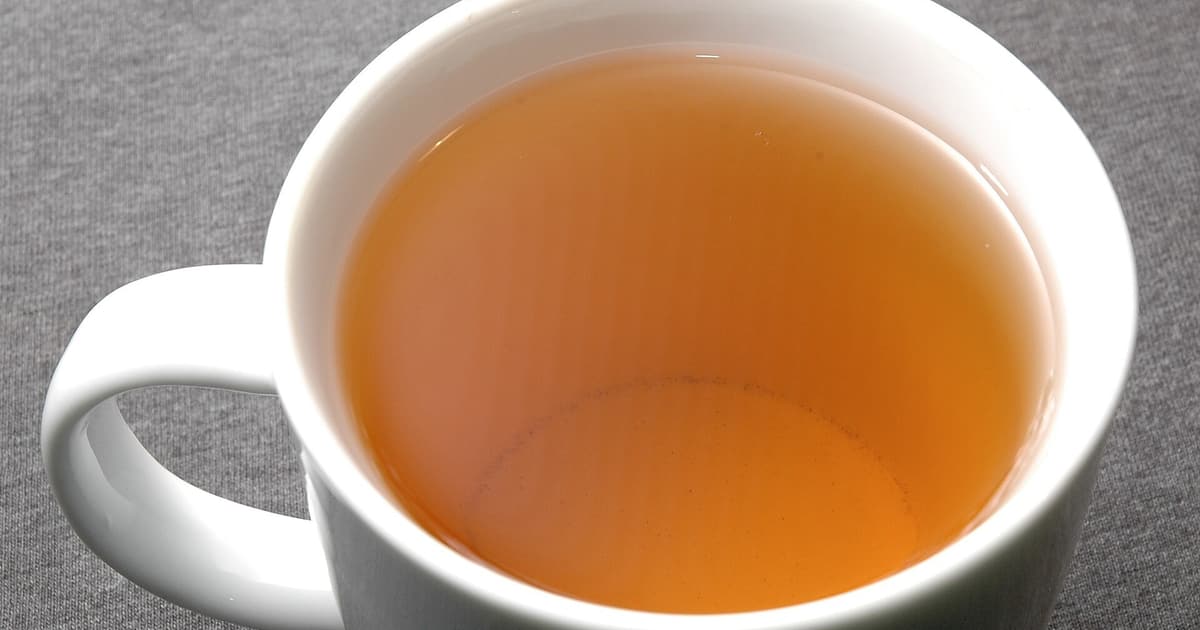
A cup of tea contains roughly 75mg of caffeine, according to the estimate the NHS uses in its pregnancy guidance. That figure covers black and green tea alike. Treat it as a planning number, since lab tests of real brews find a wide range, often lower than this, and much depends on how long you leave the leaf in the water.
How tea compares
These are the NHS's own estimates for common sources of caffeine. They are approximate, and coffee shop coffee can contain a good deal more than the instant figure shown.
Source: NHS, foods to avoid in pregnancy. Check the page for the current figures.
Why published figures disagree
A single number hides a lot. In a 2008 study in the Journal of Analytical Toxicology, twenty commercial teas were brewed under various conditions, and white, green and black teas ranged from 14mg to 61mg per serving of 6 or 8oz. A 2025 paper in Foods, using a 200ml serving, recorded still lower figures for some brews and much higher ones for others, reaching 53mg for one tea after ten minutes.
Those links lead to the abstracts as held by Europe PMC, in a plain data format. Neither study was a test of how a British household makes tea, and neither used a mug of the size many of us use. The sensible way to read them is as evidence of variation. A caffeine figure is only ever a figure for that leaf, with that much water, for that long.
Does green tea have less caffeine than black?
Often slightly less, but you cannot rely on it. The 2008 study found no observable trend by type at all. The 2025 study did find differences. In its baseline test, black and yellow teas came highest at about 14mg per 200ml, with green at 11mg, white at about 6mg and oolong at 4mg. Pu Erh was comparable to black. However, the same authors found that brewing conditions moved the numbers far more than those differences.
The advice that white tea is the low-caffeine choice therefore needs a caution. It may be true of one white tea brewed gently, and false of another brewed long and hot. The processing differences explained in our guide to tea types do not reliably predict what ends up in your cup.
What you can change
Brew time is the big one. Both studies found steeping time affected caffeine, and in the 2025 work longer brewing raised it significantly. A shorter steep, as set out in our brewing guide, is the simplest control you have, though flavour will change with it.
Water temperature matters less clearly. The 2025 paper found that it only changed caffeine levels significantly in oolong, within the teas and times it tested. Do not expect cooler water alone to make much difference to a black tea.
Leaf form can play a part. In that same study, black tea from cup-sized bags gave more caffeine (39mg per 200ml) than loose leaf (24mg). Small pieces expose more surface, as a Tufts University researcher has explained, and they give up their contents faster. There was no such difference for the green and white teas tested.
Pouring a second pot from the same leaves is often said to give less caffeine, and it stands to reason that some has already been used up. We did not find a figure we trust, so we will not offer one.
The trick of "decaffeinating" tea by discarding the first short steep is common advice too. We could not find good support for how much it removes, so we would not count on it if you have been told to limit caffeine.
Decaf and herbal options
Decaffeinated tea is not caffeine-free. The 2008 study measured less than 12mg per serving in the decaffeinated teas. Herbal infusions are a safer bet, and caffeine was not detected in the ones tested, since they do not come from the tea plant. Check what is in a blend, though, because some contain real tea or other sources of caffeine such as guarana, and not every herb suits everyone.
How much is too much?
The limits below are the ones most often cited in the UK and Europe.
| Who | Guidance | From |
|---|---|---|
| Healthy adults, not pregnant | Up to 400mg spread through the day raises no safety concerns. Single doses up to 200mg likewise. | European Food Safety Authority |
| Pregnant | No more than 200mg a day from all sources. | NHS |
| Babies and young children | Tea and coffee are not suitable. | NHS |
At the NHS's estimate, 200mg works out at a little over two and a half cups of tea, counting no other source. The NHS links high caffeine intake in pregnancy to a higher chance of miscarriage and stillbirth, so if that applies to you, count chocolate, cola and medicines as well, and talk to your midwife or GP if you are unsure. Those are the people to ask about your own circumstances, and this page cannot replace them.
The EFSA also notes that single doses of 100mg may affect sleep duration and patterns in some adults, particularly close to bedtime. If you wake in the small hours and your last pot was at nine, a shorter brew or a firmly afternoon tea is an easy change to try.